Aquarium Care: Exotic Fish in Indian Homes
Aquarium Care: Exotic Fish in Indian Homes

Bringing exotic fish
into your aquarium can turn it into a vibrant, living work of art. Their unique colors, patterns, and behavior make them highly desirable for hobbyists and commercial aquarium setups alike. However, caring for exotic fish in Indian climates comes with its own set of challenges—from temperature fluctuations to water quality issues. In this blog, we’ll guide you through essential tips and practices to help your exotic fish thrive in Indian conditions.
1. Choose Species That Adapt Well to Indian Weather
Not all exotic fish are suited for tropical or subtropical climates. When selecting exotic species, consult with aquarium specialists to identify fish that can tolerate slightly higher temperatures and local water chemistry. Some well-adapted exotic species for Indian conditions include:
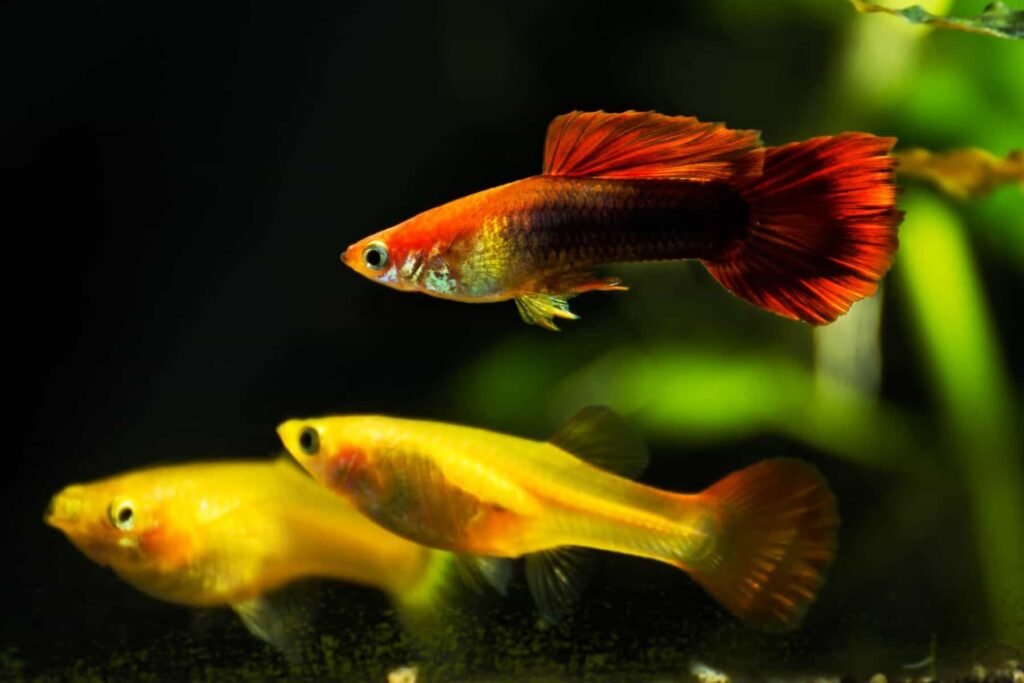
Guppies
Discus
Angelfish
Betta fish
Flowerhorns
2. Maintain Optimal Water Temperature
One of the most critical aspects of exotic fish care in India is temperature control. Sudden temperature changes, especially during extreme summers or monsoons, can stress your fish. Use a high-quality aquarium heater and thermometer to maintain a consistent range—typically between 24°C to 28°C, depending on the species.
For outdoor ponds, partial shading and cooling fans may help during heat waves. Winter care might include water heaters in colder northern regions.
3. Invest in Good Water Filtration & Quality
Exotic fish are sensitive to water impurities. Use a multi-stage filter system (mechanical, biological, and chemical) to maintain high water quality. Regular water changes (20–30% weekly) are vital to prevent toxin buildup.
Keep an eye on:
pH levels (ideally between 6.5 and 7.5)
Ammonia and nitrate levels
Water hardness
Use water conditioners and dechlorinators where municipal water is used.
4. Provide a Stress-Free Environment
Indian climates, especially urban areas, can expose your tank to external vibrations, noise, and pollution. Place your aquarium in a calm, low-traffic area with proper lighting and aeration.
Decor elements such as driftwood, plants, rocks, and hiding spots help fish feel secure and reduce stress levels.
5. Feed a Balanced Diet
Exotic fish often require a protein-rich and species-specific diet. Use high-quality, branded fish food, and supplement with live or frozen options like bloodworms, brine shrimp, and daphnia.
Avoid overfeeding, especially in warmer weather, as excess food can spoil water faster. Feed only what they can consume in 2–3 minutes.
6. Watch for Signs of Illness
exotic fish are more prone to infections if water quality or temperature is compromised. Common symptoms include:
-
Lethargy or erratic swimming
-
Loss of color
-
White spots or wounds
-
Refusal to eat
Isolate the sick fish and consult a vet or aquarist promptly. Maintain a basic medical kit with aquarium salt, methylene blue, and anti-fungal drops.
7. Regular Maintenance & Monitoring
Routine maintenance is key to long-term success with exotic fish in Indian climates. Schedule:
-
Weekly water tests
-
Bi-weekly tank cleaning
-
Monthly filter checks
Always quarantine new fish before introducing them to your existing tank.
Conclusion
Caring for exotic fish in Indian climates requires attention to detail, consistent monitoring, and a passion for aquatic life. With the right setup and regular care, you can enjoy a thriving, exotic aquarium no matter the season.